
Words Canadian Kids Get Wrong the Most (And How to Fix Them)
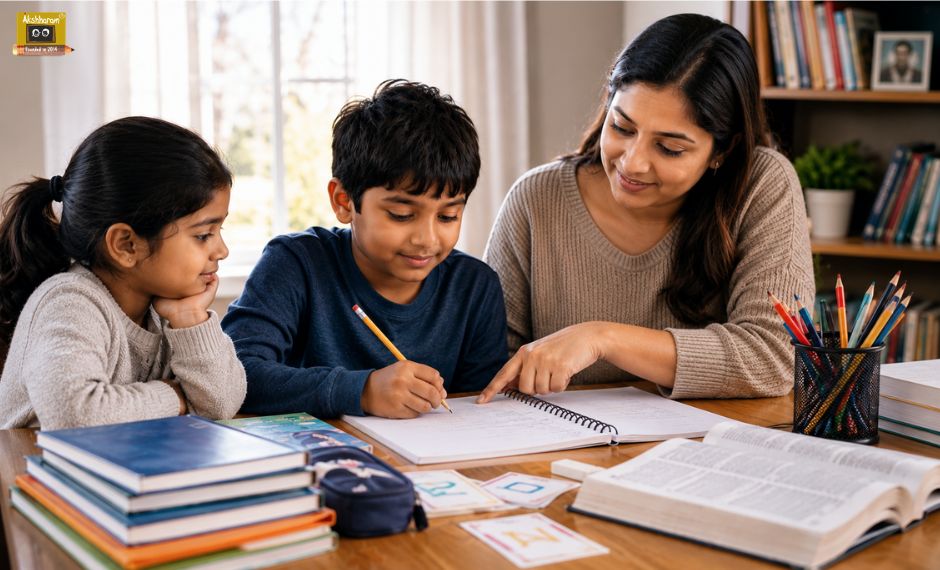
Malayalam language learning can be challenging for children growing up in Canada. For Malayali families, keeping the Malayalam language alive in the home will be difficult. Because kids are too attached to Canada’s native language as they speak it in schools and with friends, so it is hard for them to keep up with Malayalam. The only Malayalam language they are hearing is from their parents and grandparents.
Most of the parents choosing to learn Malayalam online is because of this reason. For children all they need is the right guidance, so that they can build confidence in speaking, reading and writing Malayalam and stay connected to the cultural roots of Kerala. At Akshharam, Malayalam language learning is enjoyable and practical for children living outside Kerala. The interactive online classes are really helpful for children.
Why Canadian Kids Struggle with Malayalam Pronunciation
Usual style in Canada is that, children grow up in native atmosphere so they think in English. Malayalam and English pronunciation has huge difference, children automatically replace unknown or unfamiliar Malayalam pronunciation with sounds they are already know.
Some common reasons include:
- Less familiarity with Malayalam language.
- English becoming the primary language.
- Unfamiliar with Malayalam letters and their sounds.
- Lack of speaking practice.
This is completely normal and can be overcome with consistent practice.
Common Malayalam Words Kids Often Mispronounce
Below are some of the common Malayalam words Canadian children often struggle with.
1. അമ്മ (Amma)
Most of the children mispronounce it as "Ama."
Correct pronunciation: Am-ma
The double "മ" sound should be emphasized.
2. അച്ഛൻ (Achan)
Kids usually say "Achan" without stressing the "ച്ച" sound.
Correct pronunciation: Ach-chan
Practicing the "ച്ച" sound separately in consistent way helps improve pronunciation.
3. വെള്ളം (Vellam)
Many children pronounce it as "Velam."
Correct pronunciation: Vel-lam
The double "ള്ള" sound is one of the common challenges in pronunciation.
4. കുഞ്ഞ് (Kunju)
Children often say "Kunju" without the nasal ending.
Correct pronunciation: Kunj-u
Listening to native pronunciation helps children master the ending sound.
5. നന്ദി (Nandi)
Sometimes mispronounced as "Nadi."
Correct pronunciation: Nan-di
The "ൻ" sound should be clearly spoken for clarity.
6. ചേട്ടൻ (Chettan)
Kids usually mispronounce it as "Chetan."
Correct pronunciation: Chet-tan
The double “t” creates a stronger pronunciation.
7. ചേച്ചി (Chechi)
Many children shorten the middle sound.
Correct pronunciation: Che-chi
Encourage children for slow repetition until it becomes natural.
8. പുസ്തകം (Pusthakam)
Children commonly say this as "Pustakam."
Correct pronunciation: Pus-tha-kam
Breaking the word into smaller parts makes learning easier.
How Parents Can Help at Home
One of the best ways to learn Malayalam is by making it part of everyday family life instead of treating it like another school subject.
Below are a few simple ideas:
Speak Malayalam During Daily Activities
Try to use Malayalam while doing daily chores such as cooking, shopping or cleaning. These simple conversations help children hear and learn language naturally.
For example:
- ചായ വേണോ? (Do you want tea?)
- ഭക്ഷണം കഴിക്കാമോ? (Shall we eat?)
- നല്ല ജോലി! (Good job!)
These short conversations build confidence without much stress in children.
Read Malayalam Storybooks Together
Its okey and normal if your child cannot read properly, listening to stories is a good idea to improve vocabulary and pronunciation. Reading aloud in front of children also helps to recognize patterns in the language.
Encourage Speaking Malayalam at Home
Natural learning is the best way of learning, Children learn pronunciation naturally through listening to conversation. Repeated hearing and talking Malayalam in house hold is a natural way to learn.
Engage in Grandparent Conversations
For kids, Grandparents are often the best language teachers. Encourage children to engage conversation between grandparents. Try to connect children through video calls where only Malayalam is spoken, it will be an easy way for children to learn.
Why Online Classes Make a Difference
While home practice is valuable, but only that’s not enough, many families have their own busy schedules so having a professional tutor provides faster results.
How online lessons help children:
- To learn correct pronunciation.
- Improve reading and writing skills.
- Interaction with teachers and classmates.
- Fun and engaging activities.
Akshharam online learning platform provides live online classes specifically designed for children with difficulty speaking, writing or no Malayalam understanding. Their customized Lessons are based on each child's age, language level, and learning grasp, making it easier for children around the world to learn Malayalam online effectively.
Learn Malayalam for Starters: Begin with Sounds Before Grammar
Most of the parents worry about grammar first. In reality, children should learn listening and speaking before learning grammar rules.
The ideal order to learn Malayalam for beginners:
- Writing
- Reading
- Listening
- Grammar
- Speaking
This is the natural way to learn Malayalam for beginners.
Learning Malayalam strengthen your child’s connection to the culture and connection to the family. Let them mispronounce but remember every conversation is a step forward.
The best way to learn Malayalam is through constant touch with the language. Make it fun and entertaining to learn, it’s never too late to start.
If you're looking for a platform to learn Malayalam online, Akshharam helps you with interactive classes that help children to learn Malayalam faster and speak with confidence. Akshharam is designed especially for children growing up outside Kerala.