
Malayalam Tongue Twisters: Hard, Funny and Challenging Phrases to Test Yourself
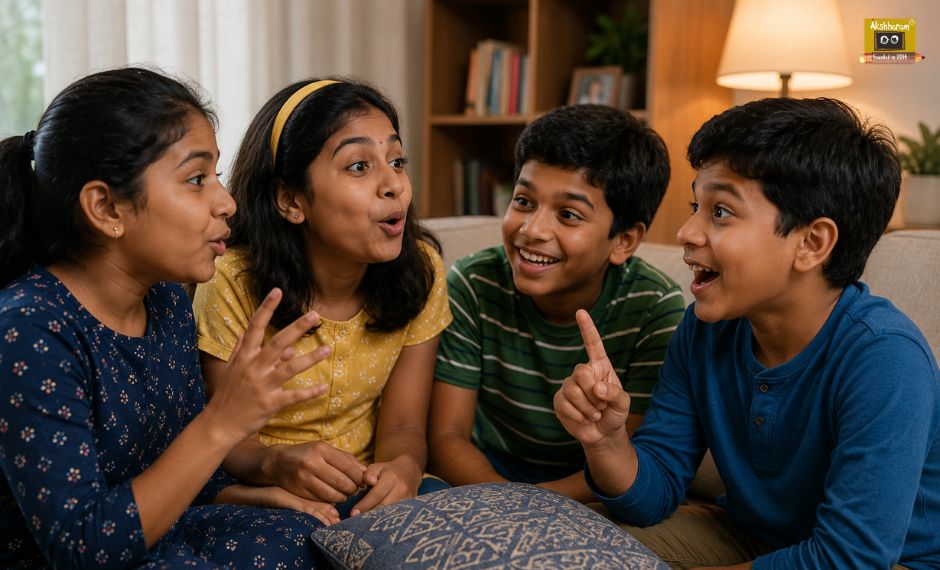
You will have tried to pronounce "aana alaralodalaral” (ആന അലറലോടലറൽ). It may be among your family members, confident and totally clueless. if friends or relatives surround you, if your tongue slips in between, they will laugh for sure. Tongue twisters in Malayalam are always funny, interesting, and, at the same time, an effective way of learning the sounds and pronunciation of words.
Malayalam is an enchanting language and also very confusing. It has a rhythm in it, is a challenge to understand, and also serves as a test of tongues in the best way possible. And the most appropriate representation of this phenomenon would have to be vaakku koottam (വാക്ക് കൂട്ടം) – the baffling tongue twisters in Malayalam.
At Akshharam, we believe that the learn Malayalam online concept should be an enjoyable activity as well as informative. Learning tongue twisters helps one master the skills of phonetics, rhythms, and pronunciation – all at once. So be ready for some fun in class no matter whether you are a young learner of the language attending our Harishree classes or a teenager who is learning Malayalam in Kilikonchal classes.
Why Tongue Twisters Are Worth It?
First, before getting into all the fun stuff, lets discuss something important.
Malayalam has a truly distinct phonetic construction. It consists of retroflex consonants, long vowels, and complex sounds that can't be found in many other languages. In doing tongue twisters, you exercise the ability to pronounce sounds quickly, as is necessary when speaking fluent Malayalam. It is no secret that speech therapists use tongue twisters in therapy, as they help one practice articulation and learn how to pronounce sounds faster. This is extremely useful for children who live in other parts of India but have relatives in Kerala and speak Malayalam via video chats and once per year when visiting during festivals. Tongue twisters are great for a good old tongue workout!
Let's Get into Some of the Famous Tongue Twisters
Below are some of the interesting Malayalam tongue twisters around, ranging from relatively easy to a bit tricky. Go through each one at your own pace, then gradually increase the speed at which you speak. All the best!
1. കാക്ക കാലിൽ കൊക്ക് കൊത്തി, കൊക്ക് കാലിൽ കാക്ക കൊത്തി (Kaakka kaalil kokk kothi, kokk kaalil kaakka kothi)
This a beginner level twister, actually not a legitimate twister but its good, the ‘ക’ (ka) sound in both ‘കാക്ക’ & കൊക്ക് is a little trickier when sounding. it makes your kids giggle when the tongue slips. Make them repeat, correct if they make any blunders.
2. തണ്ടുരുളും തടിയുരുളും തടിയിന്മേലൊരുചെറു കുരുമുളകുരുളും (Thandurulum thadiyurulum thadiyinmel oru cheru kurumulak urulum)
Let’s get into another level with this phrase, it’s a retroflex thing. As there is multiple similar sounding words, it’s a bit difficult to complete the sentence. At least for beginners, it will be something to practice for pronouncing in a flow.
3. ആന അലറലോടലറൽ (Aana alaralodalaral)
Here, the sounds ല (la) & റ (ra) is somewhat similar, so your kids may make a slip of tongue multiple times before saying this correctly. During the funny games organized at homes, try this kind of tongue twisters so it will be a double benefit.
4. വള്ളത്തിൽ വെള്ളം വന്നോ? വള്ളം വന്നു വെള്ളത്തിൽ. (Vallathil vellam vanno? vallam vannu vellathil)
Vallam ‘വള്ളം’ (boat) and vellam ‘വെള്ളം’ (water) sound terribly similar. It’s a short entry, so it feels fairly simple until you realize you’ve just been saying “vallam , vallam” for both boat and water all the way through. If your kids make any mistake, correct them instantly so they don’t learn it wrong.
5. പുളിമാവിൻ ചുവട്ടിൽ പൂച്ച പൂ പറിച്ചു, പൂ പറിക്കുമ്പോൾ പൂച്ചപ്പൂ പൊഴിഞ്ഞു (Pulimaavin chuvattil poocha poo parichu, poo parikumbol poochapoo pozhinju)
But now we have arrived at the tougher stuff. (Poocha)’പൂച്ച’ ‘പൂ’(poo) (parichu) ’പറിച്ചു’ and (pozhinju) ‘പൊഴിഞ്ഞു’, are all examples of words that sound the same in their beginning letters. The "pa" (പ) and "zha" (ഴ) together are quite difficult to pronounce, with the latter not being found in any other language except Malayalam.
Tips for Practicing Tongue Twisters
Here is what really works:
1. Start slow and increase pace slowly – Make your kids Pronounce the phrases syllable-by-syllable, correct them if there are any mistakes. It is how we end up pronouncing things totally different from Malayalam. Learning Malayalam for beginners should initially be dealt carefully, and slowly built over time, that’s what we do at Akshharam online Malayalam classes.
2. Practice gradually - Pronounce it slowly for the first time, then medium fast for two times, and finally fast for three times. This way the brain and muscles will get used to pronouncing the phrase.
3. Learn the meanings - Here at Akshharam, we always recommend our students to know what they are trying to say. It will help to remember it better and faster.
Enjoy Learning – Speak Confidently
The language Malayalam is one of the six classical languages of India, having more than a thousand years of history behind it – years of literature, poems, folklores, art forms, etc. Tongue twisters are only a small part of this immense world of knowledge, but they do have something special about them: the beauty of sounds, music of the letters of the script and much more
Even if your kid is somewhere in Delhi, Dubai or Dublin, it doesn't matter anymore: there will be an inseparable thread to Kerala. Laughter coming from generation to generation. Say those words aloud. Fall. Giggle. Repeat. That is how every language is learned.