
Malayalam Learning for Kids: How to Build Strong Listening Skills First
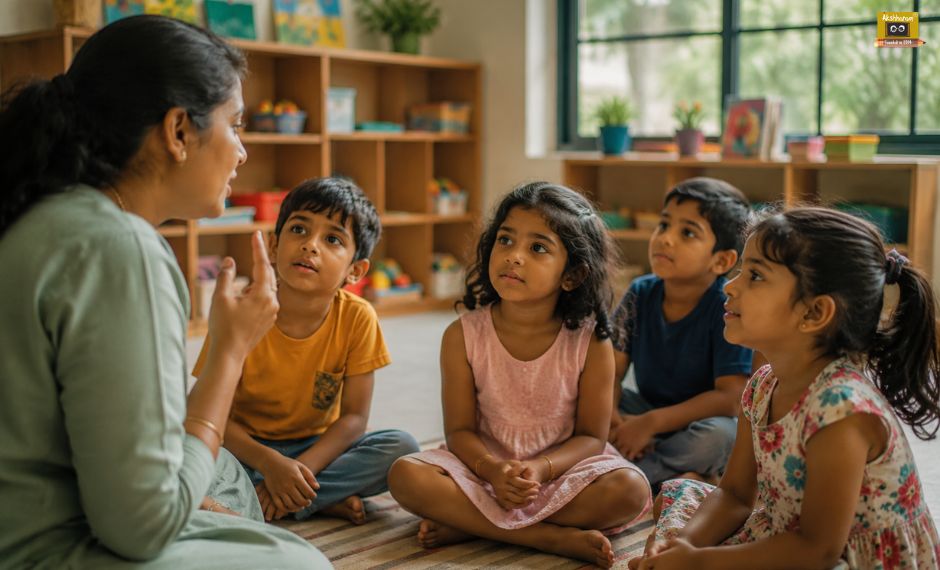
When we talk about teaching our kids a new language, we usually think about books, writing, or memorizing lists of words. But if you stop and think about how we all learned our first language, it didn’t start with a pen. It started with our ears. Before a baby ever says "Amma" or "Acha," they have spent thousands of hours just listening to the sounds around them. They were absorbing the rhythm, the tone, and the music of the language long before they understood a single grammar rule.
For families living abroad, this is the biggest missing piece. Our kids are surrounded by English or other local languages all day. Their ears are tuned to those sounds. When they hear Malayalam, it can feel like a jumbled mess because they haven't built those listening muscles yet. If you want to see real progress, you have to prioritize listening. It’s the foundation that makes everything else- speaking, reading, and writing, actually possible.
Why Listening is the Secret Engine
Imagine trying to build a house on sand. No matter how expensive the materials are, the house won't stand. In language, listening is the solid ground. For Malayalam learning for kids, listening isn't just about hearing words; it’s about mapping the brain. Malayalam has specific sounds - those unique "L" and "N" sounds and the famous "Zha", that don't exist in English. If a child hasn't heard them enough, they literally cannot hear the difference, which means they won't be able to say them correctly later.
When a child spends time listening, they are getting used to the rhythm of the language. They start to realize where one word ends and the next begins. This is why many parents find that even after months of trying to teach words, their child still can't follow a simple conversation. The child hasn't been given enough input. By focusing on listening first, you are helping them decode the language so that when they finally do start Malayalam classes for children, they aren't starting from a place of total confusion.
Use Passive Listening to Your Advantage
You don't need to sit your child down and make them listen to a lecture. In fact, that’s a great way to make them hate the language. Instead, use passive listening. This means having Malayalam playing in the background while they are doing other things.
It could be a simple Malayalam nursery rhyme while they are eating breakfast, or a light podcast playing in the car on the way to school. They don't even have to be paying full attention. Their brain is still doing the work of filing those sounds away. Over time, the sounds become familiar. The language stops being foreign and starts being something that feels like home. This is a very simple but powerful step in Malayalam learning for kids that costs zero dollars and takes very little effort.
Narrate Your Day Out Loud
One of the best things a parent can do is to become a commentator on everyday life. When you are in the kitchen, do not cook in silence. Talk about what you are doing in simple Malayalam. Say things like “ഞാൻ ഉള്ളി അരിയുകയാണ്” (I am cutting the onion), “വെള്ളം തിളക്കുന്നു” (The water is boiling), or “സ്പൂൺ എവിടെയാണ്?” (Where is the spoon?).
When your child hears you using the language for everyday, boring tasks, it takes the pressure off. They see that Malayalam isn't just for special occasions or talking to grandparents; it’s for real life. This constant stream of simple, direct language is exactly what they need to bridge the gap. It helps them connect the action they see with the sounds they hear. If they eventually join a Malayalam language communication class online, they will already have a huge head start because they’ve been immersed in these daily sounds.
The Role of Storytelling
Kids love stories. It’s how they make sense of the world. Even if your child doesn't understand every word, reading a Malayalam storybook or telling a story from your own childhood is incredibly effective. Use a lot of expression, change your voice for different characters, and use gestures.
This helps them understand the context. They might not know the word for "scared," but if they hear the word while you’re making a scared face in a story, they’ve learned it. This kind of active listening builds a much deeper connection than just memorizing a vocabulary list. It makes the language emotional and personal, which is the key to making it stick for the long term.
Quality Over Quantity
You might feel guilty for not speaking Malayalam 24/7. It’s much better to have fifteen minutes of high-quality, focused interaction than a whole day of half-hearted attempts. Choose a "Malayalam time," maybe during dinner or right before bed, where you focus on listening and speaking.
During this time, keep it simple. Don't use complicated sentences. Simple commands and simple questions. The goal is to make the child feel successful. If they can understand what you said and give a one-word answer or even just a nod, that’s a win. They are listening, they are processing, and they are learning.
Finding the Right Support System
Building these skills at home is a great start, but sometimes you need a little extra help to keep things organized. It can be hard to know if you're making progress when you're doing it all on your own. That’s where a structured environment can really make a difference.
A good Malayalam language communication class online can give your child the chance to hear the language from someone other than just Mom or Dad. It shows them that there is a whole world of people who speak this language. It gives them a sense of community. When they see other kids their age in Malayalam classes for children, it stops being something they are pushed to do and starts becoming a shared experience.
The Akshharam Approach
At the end of the day, the goal is to give our kids a gift that will last them a lifetime. We want them to be able to go back to Kerala and feel like they belong, not like tourists. This requires a plan that respects how their brains actually work.
This is exactly why Akshharam focuses so much on building a strong foundation. We understand that for kids outside India, the journey is different. By combining listening skills with a logical, script-first approach, Akshharam helps children move from zero exposure to real-world confidence. It’s about more than just words; it’s about giving them the ears to hear their heritage and the voice to speak it. With a little patience and the right strategy, you’ll be amazed at how quickly those listening skills turn into real, heart-to-heart conversations.