Kerala Temple Festivals: The Meaning and Traditions of Ulsavam
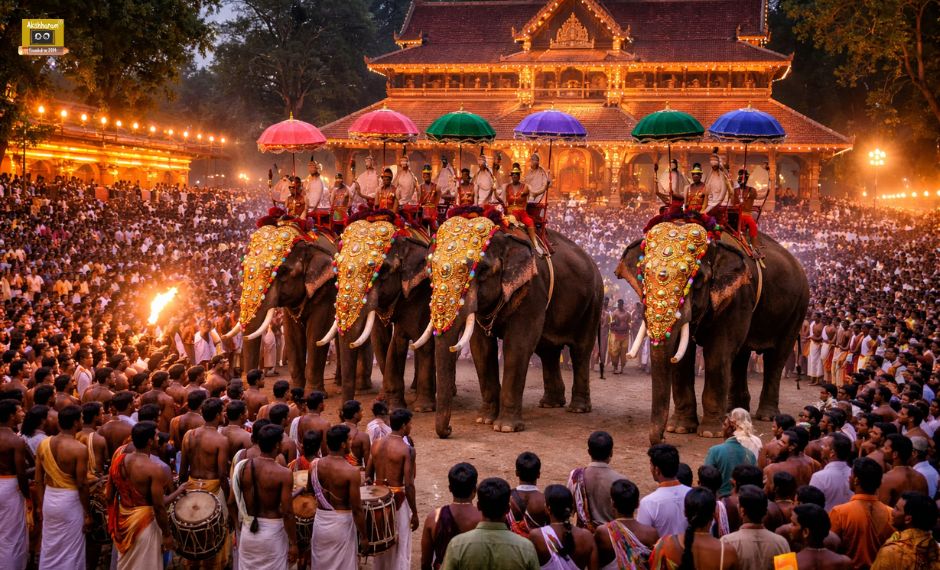
Whenever we think of home in Kerala, one of the first things that comes to mind is the festival season. Whether you lived in a small village or a busy town, the festival season, or Ulsavam, was the highlight of the year. For many NRI parents, there’s a small worry that our children are missing out on this huge part of our culture. We want them to know what an Ulsavam feels like-the excitement, the music, and the way the whole community comes together. For a child growing up in London, New York, or Dubai, a Ulsavam is often just a word they hear, not a feeling they know. How do we explain the magic of these festivals to a child who has never stood in the middle of that crowd?
The Feeling of Home
In Kerala, a Ulsavam is more than just a date on the calendar. It is the time when the entire community hits the "pause" button on their busy lives. The word itself actually refers to a celebration that lifts the spirit and removes sadness. It’s a time for family reunions, where cousins who haven’t seen each other in months finally get to play together in the open grounds. It is a shared experience that brings everyone together, regardless of where they live now.
The Sights and Sounds
When you describe a Ulsavam to your child, start with the things they can see. Tell them about the Nettipattam, the stunning gold-colored headgear worn by the elephants. Explain that these aren't just decorations; they are symbols of the grand tradition of Kerala.
Then, talk about the music. The Chenda Melam isn't just a drum performance; it’s a rhythmic conversation. It starts slow and builds up to a massive energy that makes everyone want to move. It’s the closest thing to a giant outdoor concert, but with a history that goes back hundreds of years.
The Taste of the Season
You can’t talk about a Kerala festival without mentioning the food. For a child, the best part of a Ulsavam was often the treats you could only find at the stalls. Think of the hot unniyappam, the crunchy banana chips, and the colorful candies sold in glass jars.
As you tell them these things, you’re not just telling them about the food; you’re telling them about a sensory experience. It’s the little things like this that make the culture seem so real and exciting to them, instead of just learning about it out of a book.
Closing the Language Gap
The biggest challenge for NRI parents is that while we have these memories, our children often lack the language to understand them. You can show them a photo, but can they talk about it? This is why a Malayalam language communication class online is so helpful. It gives them the words to describe the Mundu they are wearing or the names of the traditional instruments they see in videos.
When children join Malayalam classes for children, they start to realize that these festivals aren't "foreign" events-they are a part of their own story. They learn how to ask their grandparents about the festivals they attended as kids, creating a bond that goes beyond just a video call.
Why Structure Matters
We all know how busy life gets. Between school and activities, finding time to teach Malayalam at home usually gets left for later. By choosing a Malayalam language communication class online, you’re giving your child a dedicated time to focus. It’s much more fun for them to learn with other kids their age than to just listen to a parent. It makes the whole process feel natural and exciting rather than like extra schoolwork.
Conclusion
Don't let the distance make your child a stranger to their own culture. Sharing a few stories at home is a great start, and joining a Malayalam language communication class online can help fill in the gaps. At Akshharam, we're here to help your child feel connected to their roots. We want to make sure that when your child visits Kerala, they don't feel like a tourist. We want them to feel like they are exactly where they belong.