
How to Learn Malayalam Online from Home: Easy Methods That Work
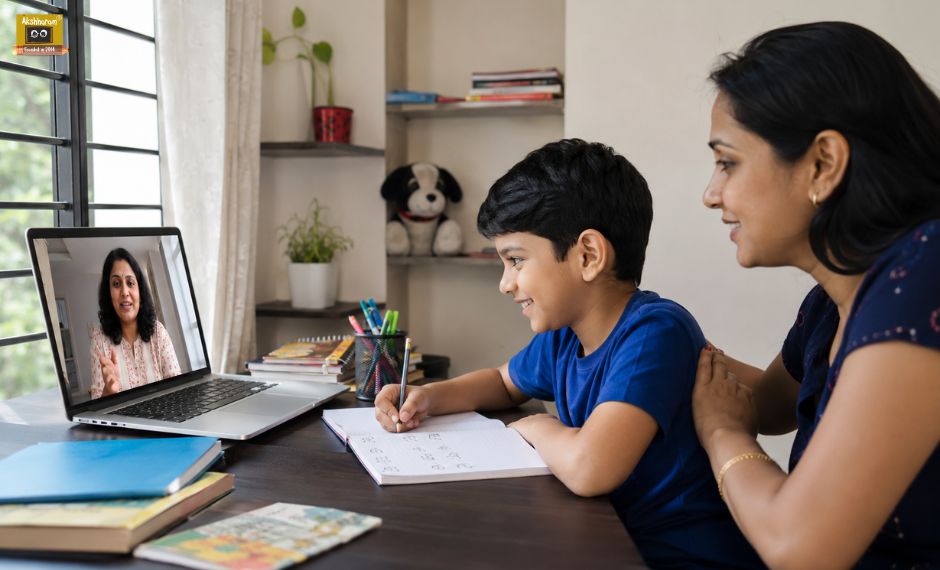
If you’re living abroad, you probably have that deep-seated wish for your child to speak Malayalam. You want them to talk to their grandparents or just understand what’s happening at a family wedding. But let’s be honest, it’s hard. Most of the time, children have zero exposure to the language. They don't hear it at school, and even at home, English or the local language usually takes over because it’s just easier. For these kids, Malayalam isn't something they can just absorb by sitting in a room while the elders talk. It’s a total mystery to them.
Many parents get frustrated because they try the natural way of learning, just speaking to the child, and it goes nowhere. If a child doesn't know the sounds, the words just sound like one long, confusing string of noise. To actually learn Malayalam online when starting from a blank slate, it helps to flip the whole process. Instead of starting with the ears, begin with the eyes. Start with the script.
The Script is Your Child's Anchor
For a beginner who has never heard the language properly, the sounds are the hardest part. Think about sounds like "zha" or the different versions of "na." To a child who grew up speaking English, those sounds don't even exist. This is exactly why one of the best ways to learn Malayalam for beginners is to master the alphabet first.
When a child learns the letters, they aren't just memorizing symbols. They are building a visual map for their brain. Malayalam is a phonetic language, which is a huge advantage. Every single letter has one specific sound. Once a child sees the curve of a letter and connects it to a sound, they have a foundation. They aren't guessing anymore.
If they see the letter, they know exactly where their tongue should go. It stops them from picking up bad pronunciation habits that are almost impossible to fix later. By focusing on the alphabet and the sounds they make, the language stops being scary and starts being something they can actually see and control.
Building a Vocabulary, They Actually Care About
Once the alphabet isn't just a bunch of lines anymore, move on to words. But here is where most people go wrong: they try to teach formal, academic words. Don't do that. A child doesn't need to know the Malayalam word for "globalization." They need to know the word for the cup they drink from or the food they eat.
This is the building blocks phase. Take those letters they just learned and apply them to real life. Start with kitchen words for rice, water, or food. Move to the people in their lives, Amma, Acha, Muthassi. Then, add the things they do every day, like "eat," "run," or "sleep."
When a child can write a word using the script and then point to that object in the room, it clicks. It’s a massive "aha!" moment. The language is no longer a lesson on a screen; it’s a way to describe their world. That sense of achievement is what keeps them from wanting to quit when the lessons get harder.
Putting the Pieces into Sentences
After they have a good pile of words and feel okay with the script, they can start putting things together. This is the stage where the language finally comes alive, but it has to stay simple.
Forget about heavy grammar rules. Nobody likes grammar, especially not a child who is already tired after a full day of school. Instead, focus on two or three-word phrases. Things like "I want water" or "Give me that."
Because they already understand the script and the words, they aren't just repeating sounds like a parrot. They actually understand how the sentence is built because they can see the individual parts in their head. This step-by-step move from a single letter to a word and then to a short sentence makes the whole process of trying to learn Malayalam online feel manageable. It’s a series of small wins rather than one giant, impossible task.
Why Fifteen Minutes Matters More Than Two Hours
The biggest enemy of learning at home isn't the difficulty of Malayalam; it’s the lack of consistency. Since the child isn't hearing the language at the park or with friends, the brain will try to delete the information to make room for other things. It is important to remind the brain that Malayalam is important every single day.
A quick fifteen-minute session every day is a hundred times better than a long, boring two-hour lesson on a Sunday. Keep it light. Have them write two letters before breakfast. Put small labels on things around the house with the Malayalam name written in the script. Try to use one of their new phrases during dinner. When it becomes a small, stress-free part of the day, they stop seeing it as extra school and start seeing it as a cool secret language they share with the family.
You Need a Real Person, Not Just an App
There are a million apps out there that claim to teach languages, but most of them are just passive. A child starting from zero needs more than a screen that says Correct or Incorrect. They need someone to listen to them. They need a teacher who can see if they are writing a letter's curve the wrong way or if their tongue is in the wrong spot for a specific consonant.
That human connection is everything. A structured environment gives them the discipline they won't get from an app. It makes sure they are following the right path and not skipping the important work of learning the script.
Final Thoughts
Learning Malayalam when there is zero background is a marathon, not a quick race. But with a clear plan - starting with the script, building a practical vocabulary, and then moving to simple sentences, it’s a marathon anyone can finish. It’s about taking the pressure off and replacing it with a sense of connection.
This is exactly why Aksharam exists. We specialize in this exact journey for kids outside Kerala who are starting from scratch. By sticking to a script-first method and focusing on real-world communication, we help students build a bridge back to our roots. With the right approach and a little bit of daily effort, a child won't just be studying a language; they'll be finding their way back home.