20 Common Malayalam Words Every Child Should Know
Learning a new language is like building a house. You cannot start with the roof (conversations) if you haven't laid the foundation (the script). The best way to start is by learning the alphabet first. Once a child knows the letters and the sounds they make, they can start building words, and finally, they can move on to making sentences.
If you want to learn Malayalam for beginners, you have to start with the basic building blocks. Once a child recognizes a letter, they feel proud because they can finally read a word on their own. Here are 20 common words that help children move from learning letters to building their first vocabulary.
Starting with Easy Vowel Sounds
In Malayalam, the vowels are called Swaraksharangal. These are the best sounds to start with because they are short and clear. When a child learns the first few letters, these words help them practice.
1. Amma (Mother): This word starts with the very first letter 'അ'. It is the easiest word to say.
2. Aadu (Goat): This helps the child learn the difference between a short 'A' and a long 'Aa' (ആ).
3. Ila (Leaf): A very simple word using the letter 'ഇ'. It is easy for a child to draw a leaf and write the word next to it.
4. Eeecha (Fly/Insect): This uses the long 'Ee' (ഈ) sound. It’s a common thing kids see, so they remember the word.
5. Ural (Grinder): A traditional object that helps them practice the 'U' (ഉ) sound.
6. Oonu (Lunch): A word they will hear every day. It uses the long 'Oo' (ഊ) sound.
Learning the Consonants
After the vowels, the next step is learning the consonants or Vyanjanaksharangal. For a student who is new to the language, these words act like a map for the sounds of the alphabet.
7. Kalam (Pot): This introduces the 'Ka' (ക) sound. It is a very basic shape to write in the script.
8. Chaya (Tea): This is a great word to practice two letters together: 'Cha' (ച) and 'Ya' (യ).
9. Thala (Head): A simple body part word that uses the 'Tha' (ത) sound.
10. Paal (Milk): This word is important because it shows the child how a "half-letter" or Chillaksharam (ൽ) works at the end of a word.
11. Mala (Mountain): A rhythmic word that is very easy to say and write.
12. Vellam (Water): Even though the 'La' (ള) sound is a bit tricky, learning this early is helpful because water is something they ask for every day.
Words for Objects and Animals
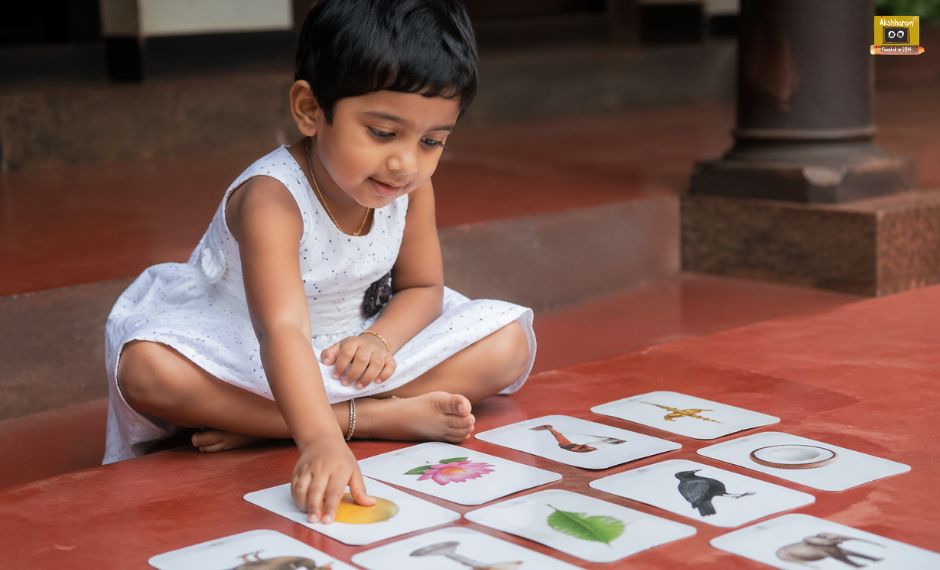
Once the child is comfortable with a few letters, they can start learning words for things they see around them. This makes the language feel real and useful.
13. Poocha (Cat): Kids love animals. This word helps them practice adding a vowel sign to a consonant.
14. Aana (Elephant): Every child loves elephants. It’s a simple two-letter word that is fun to learn.
15. Meen (Fish): A common word that helps them practice the 'Ee' sound and the 'N' chillaksharam.
16. Pusthakam (Book): Since the child is learning through reading and writing, the word for "book" is a must-know.
17. Pena (Pen): A word for their writing kit. It helps them connect their tools to the language.
18. Kuda (Umbrella): A very common object in. It is a short, easy word to practice the 'Da' sound.
Simple Words for Feelings and Manners
After learning objects, children can start learning words that help them express themselves or be polite to others.
19. Chiri (Smile): A happy word that uses easy vowel signs.
20. Nanni (Thanks): A polite word that teaches them a social skill while practicing the double 'Na' (ന്ന) sound.
The Right Way to Learn
When you decide to learn Malayalam online, it is important to follow a logical path. For a child who hasn't grown up hearing the language, jumping straight into big conversations is confusing. They need to understand the sounds first.
By learning the script first, the child becomes independent. They don't have to ask "How do I say this?" every time. They can look at the shapes of the letters and know exactly which sound to make. This builds a lot of confidence. Malayalam is a phonetic language, which means we write it exactly how we say it. This makes it much easier to learn than English once you know what the letters represent.
How to Practice at Home
Since the child doesn't hear Malayalam in their daily life, you can create small moments for it:
Labeling: Put a small sticker that says "Kalam" on a pot or "Pusthakam" on a book.
Writing: Have them write one word five times while saying the sound out loud.
Reading Aloud: Let them practice reading the letters in these 20 words.
The goal is to move from the beginner stage to a place where they feel comfortable seeing the script. Once they have a vocabulary of common words, starting to make sentences becomes very easy. They won't feel scared of the language because they already know the building blocks.
Why Structure is Important
Many people think that just watching videos in Malayalam will help a child learn. But if they don't have a base in the language, those videos just sound like noise. They need to understand the connection between the written letter and the spoken sound.
When you learn Malayalam for beginners through a structured method, the child doesn't feel overwhelmed. They see the script as a puzzle where they put letters together to make a word. This makes the whole process much more fun.
Conclusion
Learning a mother tongue from the start is a big achievement. By focusing on the script first and then moving to these 20 common words, your child is setting up a strong foundation for the future. It takes patience and the right steps, but it is definitely possible for any child to master Malayalam.
At Akshharam, we specialize in helping children who are coming to the language for the very first time. We know that the journey starts with the very first letter of the alphabet. Our lessons are designed to be simple, and easy to follow. We focus on building a strong vocabulary through reading and writing first, so that speaking comes naturally later on. With the right guidance from Akshharam, your child will not just learn words, but will truly understand the beauty of the Malayalam language.